
Are Freestanding Kitchen Cabinets the Future — or Just a Moment?
Every few years, a kitchen trend comes along that promises freedom.
More flexibility.More personality.More control over how your space works.
For 2026, freestanding kitchen cabinets are getting that spotlight. Instead of being permanently built into the walls, these cabinets function more like furniture. They can be repositioned, swapped out, or reimagined over time. And for the right homeowner, that can be genuinely appealing.
At Sterl Kitchens, we see trends like this not as “yes or no” decisions, but as design tools. The real question is not whether freestanding cabinets are trending. It’s whether they actually work for your kitchen, your lifestyle, and your long-term plans.
Why Homeowners Are Curious About Freestanding Cabinets
The interest makes sense.
Freestanding cabinets offer a feeling of flexibility that traditional built-ins don’t. In smaller spaces, they can feel lighter visually. In eclectic or European-inspired kitchens, they add character. For homeowners who like to change things up, the idea of movable storage feels refreshing.
They also appeal to people who want their kitchen to feel less “locked in.” Furniture-style pieces can soften a space and make it feel more lived-in rather than permanently constructed.
Those are real benefits. But they’re only part of the story.
Where Freestanding Cabinets Shine — and Where They Don’t
Freestanding cabinetry works best in specific scenarios, not across the board.
They tend to make sense in:
Secondary storage areas like pantries or breakfast nooks
Smaller kitchens where visual openness matters
Homes with a modern, transitional, or European aesthetic
Spaces designed more for style and flexibility than heavy daily use
Where they often fall short is in primary kitchen workflows. Cooking-heavy households rely on seamless storage, integrated appliances, and cabinetry that maximizes every inch. Built-in cabinets excel there for a reason. They create continuity, durability, and efficiency that furniture-style pieces usually can’t match long-term.
This is why trends rarely replace fundamentals. They layer on top of them.
Built-In Cabinets Aren’t Going Anywhere
Despite what headlines suggest, built-in cabinetry is not disappearing.
Custom and semi-custom cabinets remain the backbone of high-function kitchens. They support modern appliance integration, advanced storage solutions, and layouts that are designed around how people actually cook and live.
What is changing is how kitchens feel.
Homeowners want warmth, personality, and flexibility. That doesn’t mean abandoning built-ins. It means designing smarter combinations.

The Smarter Middle Ground: Blending the Two
What we’re seeing more often — and what we guide clients toward — is intentional mixing.
Built-in cabinetry for:
Main cooking zones
Appliance walls
Sink and prep areas
Freestanding or furniture-style pieces for:
Pantries
Coffee stations
Accent storage
Dining-adjacent spaces
This approach delivers the best of both worlds. Function where you need it. Personality where you want it.
And most importantly, it keeps your kitchen from being designed around a trend that might not serve you five or ten years down the road.
How Sterl Kitchens Helps You Decide
Trends are easy to follow. Good design takes conversation.
At Sterl Kitchens, our role isn’t to push what’s popular this year. It’s to help homeowners understand how each design choice affects daily life, resale value, maintenance, and long-term satisfaction.
If freestanding cabinets make sense in your space, we’ll tell you where and why. If built-ins are the better choice, we’ll explain that too. And if the best solution is a thoughtful blend, that’s often where the magic happens.
Because a great kitchen isn’t built around headlines.It’s built around how you live.

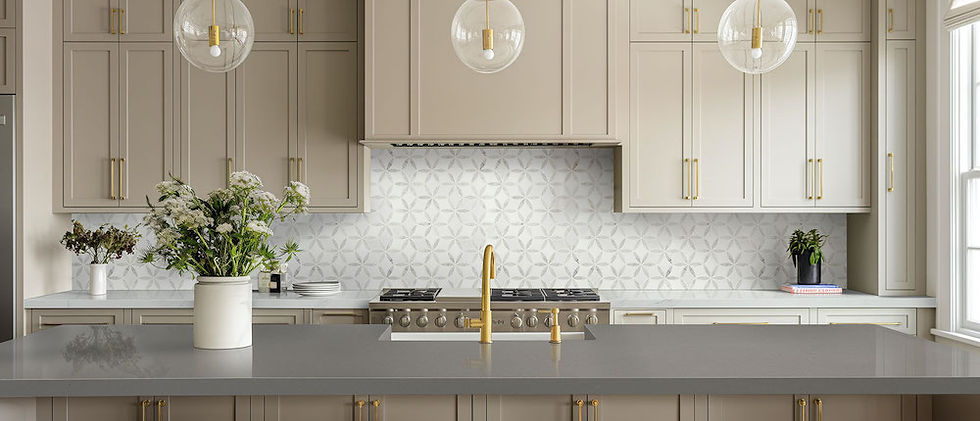
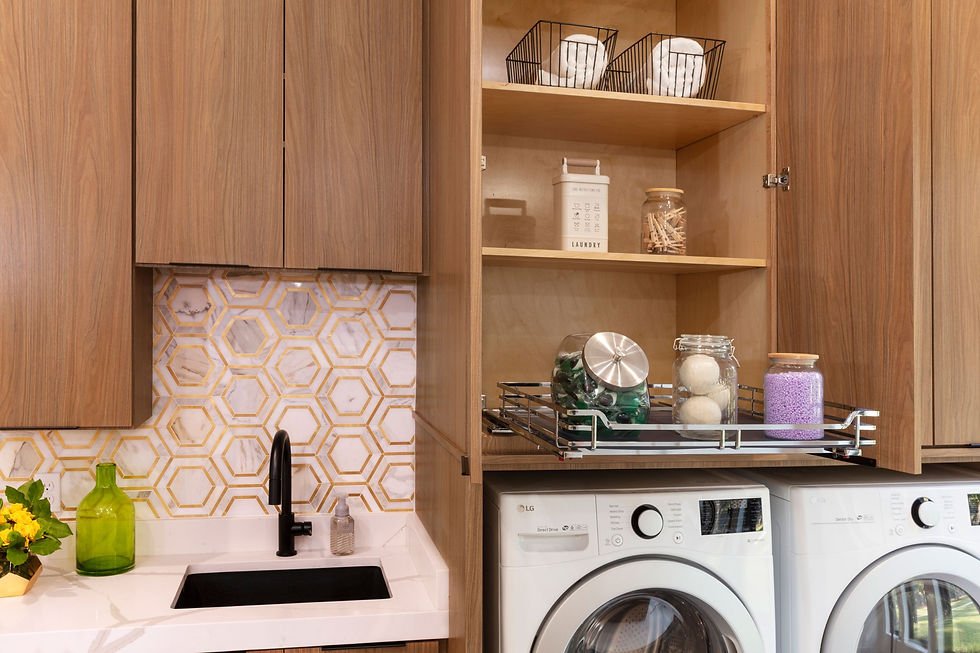
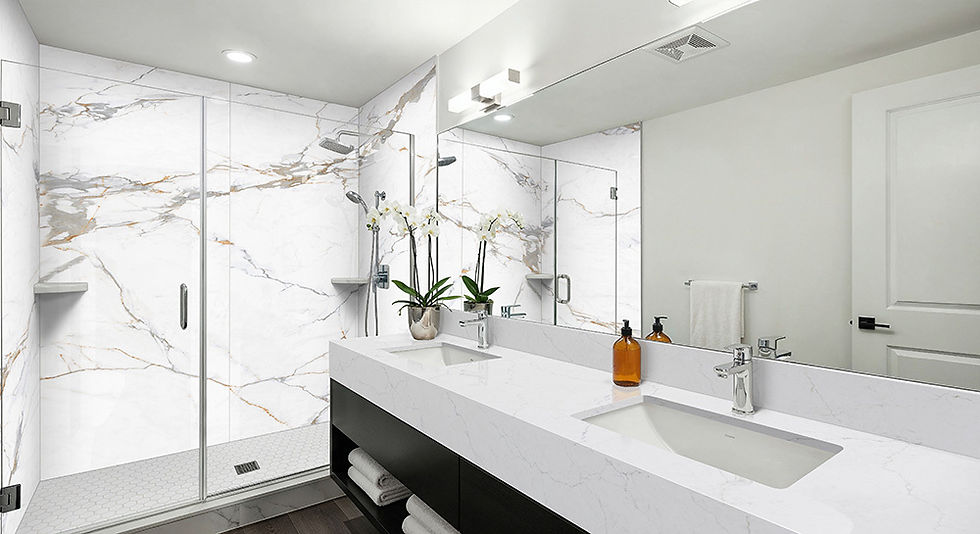
Freestanding kitchen cabinets are an interesting alternative to traditional fitted cabinetry because they can give a kitchen a more flexible, furniture-like feel. They also make it easier to change the layout over time. For homeowners who need cabinetry designed around a particular space, Custom Kitchen Cabinets can offer that same flexibility while providing more control over storage, dimensions, and overall style.